
Help me read my way through the history of the novel.
CBL #96 | A short essay followed by a very long list

One of my favorite pastimes is browsing “best of” book lists. But after years of collecting them, I’ve decided to stop browsing and start building my own ambitious, living canon of the novel.
My life is a balancing act. I’m developing an AI tool to help secondhand booksellers identify rare books. I'm also a writer, a professor, and a consultant. Between a busy social life and a loving family, finding focused time for reading can be a challenge. Yet, every part of my life benefits from great books.
To make progress, my philosophy moving forward is simple: "one classic and one curiosity."
This means I will finally tackle the classics to shore up my knowledge, but I'll also leave room for randomness and my own idiosyncratic tastes. The "curiosity" part is easy: I just read what I find interesting. But defining "the classics" is harder than it seems.
My Reading Psychology
To create this list, I had to be honest with myself. I distinguish between books I want to read, books I have to read, and books I want to have read. Since leaving school, I rarely "have to" read anything. If I truly want to read a book, I find a way to do it. The challenge lies with that third category: the books I want to have read.
When I find myself avoiding one of those books, I ask why. If the motivation is external (like wanting to seem impressive), I usually drop it. But if it's internal—if I know a book will level me up or grant me new insight, but I'm avoiding it because it takes work to get into—then I know it's a candidate for the list.
The second half of a challenging book is one of my favorite places in the world. But I’m so busy and frazzled that starting them is tough. My solution is to schedule time to get invested, which is what this project is all about.
For that reason, one constraint was obvious: stick to novels. The non-fiction I pick up is usually easy to start because its value is obvious. A great novel, however, takes longer to reveal its power. I've gained more from them, so I need to start them more often.
How I Created This List
I compiled titles from dozens of lists, then iterated with the help of friends and AI to keep it under 500 books. I organized it into "Modules" grouped by genre, time, and sometimes geography or cultural movements.
The perspective is that of an American who wants to learn the story of the novel. I've tried to include international works where possible, but I'm certainly missing some. Plus, the list inevitably narrows as we approach the present day, where microgenres make a comprehensive map nearly impossible.
I would love your feedback. If you have notes on important books, movements, or genres I’ve left out, please let me know in the comments. And if you'd be interested in reading along, I'd love to hear that, too. I might structure something specifically for this.
A Note on Behemoths (📚): Some books on this list are exceptionally long, dense, or challenging. I have marked these with a 📚 symbol. I will likely have to give these novels extra time.
Checkpoint 1: The Invention of the Novel
Module 1: Don Quixote & the Proto-Novel
📚 Don Quixote by Miguel de Cervantes
Module 2: The Neoclassical Novel & Satire
Robinson Crusoe by Daniel Defoe
Gulliver’s Travels by Jonathan Swift
Candide by Voltaire
Module 3: The Sentimental & Domestic Novel
Dangerous Liaisons by Pierre Choderlos de Laclos
The Sorrows of Young Werther by Johann Wolfgang von Goethe
📚 Tristram Shandy by Laurence Sterne
Module 4: Gothic Fiction
The Castle of Otranto by Horace Walpole
The Mysteries of Udolpho by Ann Radcliffe
Frankenstein by Mary Shelley
Module 5: Romanticism & The Historical Novel
Ivanhoe by Walter Scott
📚 The Hunchback of Notre-Dame by Victor Hugo
📚 The Count of Monte Cristo by Alexandre Dumas
Jane Eyre by Charlotte Brontë
Pride and Prejudice by Jane Austen
The Last of the Mohicans by James Fenimore Cooper
Module 6: French Realism
The Red and the Black by Stendhal
📚 Père Goriot by Honoré de Balzac
Madame Bovary by Gustave Flaubert
Bel-Ami by Guy de Maupassant
Module 7: The American Renaissance
The Scarlet Letter by Nathaniel Hawthorne
📚 Moby-Dick by Herman Melville
📚 Uncle Tom’s Cabin by Harriet Beecher Stowe
Module 8: English Victorian Realism
📚 Vanity Fair by William Makepeace Thackeray
📚 Bleak House by Charles Dickens
📚 Middlemarch by George Eliot
The Woman in White by Wilkie Collins
Great Expectations by Charles Dickens
Module 9: The Russian Masters
Fathers and Sons by Ivan Turgenev
Crime and Punishment by Fyodor Dostoevsky
📚 Anna Karenina by Leo Tolstoy
📚 The Brothers Karamazov by Fyodor Dostoevsky
📚 War and Peace by Leo Tolstoy
CHECKPOINT 2: The Age of Genre and Experiment
Module 10: Scientific Romance
Journey to the Center of the Earth by Jules Verne
The Time Machine by H.G. Wells
Looking Backward by Edward Bellamy
Flatland by Edwin Abbott
Module 11: Aestheticism & Decadence
The Picture of Dorian Gray by Oscar Wilde
Module 12: Asian Anti-Colonial Literature
Noli Me Tángere by José Rizal
The Home and the World by Rabindranath Tagore
Twilight in Delhi by Ahmed Ali
Module 13: Naturalism
Germinal by Émile Zola
The Awakening by Kate Chopin
McTeague by Frank Norris
Sister Carrie by Theodore Dreiser
The Call of the Wild by Jack London
Module 14: Psychological Realism/Proto-Modernism
Notes from Underground by Fyodor Dostoevsky
The Portrait of a Lady by Henry James
Heart of Darkness by Joseph Conrad
The Death of Ivan Ilyich by Leo Tolstoy
Hunger by Knut Hamsun
The Turn of the Screw by Henry James
Module 15: Hardboiled Detective Fiction
The Maltese Falcon by Dashiell Hammett
The Big Sleep by Raymond Chandler
Double Indemnity by James M. Cain
The Mike Hammer Collection, Volume 1: I,the Jury / My Gun is Quick / Vengeance is Mine! by Mickey Spillane
Module 16: The Rise of Genre Pulps
Tarzan of the Apes by Edgar Rice Burroughs (Adventure / Jungle Pulp)
The King of Elfland’s Daughter by Lord Dunsany (High Fantasy / Mythic)
A Princess of Mars by Edgar Rice Burroughs (Planetary Romance / Sci-Fantasy)
The Virginian by Owen Wister (Western Prototype)
Riders of the Purple Sage by Zane Grey (Western Popularization)
The Daybreakers by Louis L’Amour (Mid-Century Western Reinvention)
At the Mountains of Madness by H.P. Lovecraft (Weird Horror)
Doc Savage: The Man of Bronze by Lester Dent (Science Hero)
The Shadow by Walter B. Gibson (as Maxwell Grant) (Pulp Vigilante / Proto-Superhero)
The Coming of Conan the Cimmerian by Robert E. Howard (Sword & Sorcery)
Module 17: The Big House Novel/Anglo-Irish Literature
The Last September by Elizabeth Bowen
Brideshead Revisited by Evelyn Waugh
The Real Charlotte by Somerville and Ross
Module 18: Southern Gothic
📚 The Sound and the Fury by William Faulkner
The Heart Is a Lonely Hunter by Carson McCullers
Wise Blood by Flannery O’Connor
To Kill a Mockingbird by Harper Lee
As I Lay Dying by William Faulkner
Module 19: The Lost Generation
The Sun Also Rises by Ernest Hemingway
The Great Gatsby by F. Scott Fitzgerald
All Quiet on the Western Front by Erich Maria Remarque
A Farewell to Arms by Ernest Hemingway
Three Soldiers by John Dos Passos
Module 20: The Harlem Renaissance
Cane by Jean Toomer
Passing by Nella Larsen
Home to Harlem by Claude McKay
Their Eyes Were Watching God by Zora Neale Hurston
Not Without Laughter by Langston Hughes
Module 21: Négritude & African Literature
The Radiance of the King by Camara Laye
Houseboy by Ferdinand Oyono
Module 22: Socialist Realism
How the Steel Was Tempered by Nikolai Ostrovsky
Cement by Fyodor Gladkov
📚 And Quiet Flows the Don by Mikhail Sholokhov
Module 23: Social Realism & The Proletarian Novel
The Grapes of Wrath by John Steinbeck
Native Son by Richard Wright
📚 U.S.A. Trilogy by John Dos Passos
Module 24: Modernism
A Portrait of the Artist as a Young Man by James Joyce
To the Lighthouse by Virginia Woolf
The Trial by Franz Kafka
📚 In Search of Lost Time (Swann’s Way) by Marcel Proust
📚 The Magic Mountain by Thomas Mann
📚 Ulysses by James Joyce
Mrs Dalloway by Virginia Woolf
Nightwood by Djuna Barnes
CHECKPOINT 3: Post-War and the Information Age
Module 25: Existentialism
The Stranger by Albert Camus
Nausea by Jean-Paul Sartre
The Mandarins by Simone de Beauvoir
The Moviegoer by Walker Percy
The Plague by Albert Camus
Module 26: The Golden Age of Science Fiction
Foundation by Isaac Asimov
Childhood’s End by Arthur C. Clarke
The Martian Chronicles by Ray Bradbury
Starship Troopers by Robert A. Heinlein
Brave New World by Aldous Huxley
Nineteen Eighty-Four by George Orwell
Module 27: Japanese Post-War Literature
The Setting Sun by Osamu Dazai
Snow Country by Yasunari Kawabata
The Woman in the Dunes by Kōbō Abe
Confessions of a Mask by Yukio Mishima
A Personal Matter by Kenzaburō Ōe
The Sailor Who Fell from Grace with the Sea by Yukio Mishima
Module 28: High Fantasy
📚 The Lord of the Rings by J.R.R. Tolkien
The Lion, the Witch and the Wardrobe by C.S. Lewis
A Wizard of Earthsea by Ursula K. Le Guin
The Once and Future King by T.H. White
The Gormenghast Novels by Mervyn Peake
Module 29: The Theater of the Absurd (influence on the Novel)
Molloy by Samuel Beckett
Catch-22 by Joseph Heller
The Third Policeman by Flann O’Brien
V. by Thomas Pynchon
Module 30: The French New Novel (Nouveau Roman)
The Voyeur by Alain Robbe-Grillet
The Planetarium by Nathalie Sarraute
Module 31: The Angry Young Men
Saturday Night and Sunday Morning by Alan Sillitoe
Room at the Top by John Braine
Module 32: Postcolonial Literature
Things Fall Apart by Chinua Achebe
A Bend in the River by V.S. Naipaul
Season of Migration to the North by Tayeb Salih
Wide Sargasso Sea by Jean Rhys
Disgrace by J.M. Coetzee
📚 Palace Walk (The Cairo Trilogy, #1) by Naguib Mahfouz
Module 33: The Campus Novel
Lucky Jim by Kingsley Amis
Module 34: Speculative Black Imagination and Afrofuturism
Invisible Man by Ralph Ellison
Babel-17 by Samuel R. Delany
The Parable of the Sower and The Parable of the Talents by Octavia Butler (read as a pair)
Module 35: The Beat Generation
On the Road by Jack Kerouac
Naked Lunch by William S. Burroughs
Module 36: Black Arts Movement & Black Power Novels
The Man Who Cried I Am by John A. Williams (1967)
The Spook Who Sat by the Door by Sam Greenlee (1969)
Lord of Dark Places by Hal Bennett (1970)
Mumbo Jumbo by Ishmael Reed (1972)
Module 37: Mass Market Publishing Revolution
Peyton Place by Grace Metalious
Valley of the Dolls by Jacqueline Susann
The Godfather by Mario Puzo
Module 38: New Journalism and the Non-fiction Novel
In Cold Blood by Truman Capote
The Executioner’s Song by Norman Mailer
Module 39: The Latin American Boom
Pedro Páramo by Juan Rulfo
Hopscotch by Julio Cortázar
📚 One Hundred Years of Solitude by Gabriel García Márquez
The Death of Artemio Cruz by Carlos Fuentes
The Time of the Hero by Mario Vargas Llosa
Module 40: Oulipo
📚 Life: A User’s Manual by Georges Perec
If on a winter’s night a traveler by Italo Calvino
Invisible Cities by Italo Calvino
Module 41: Feminist Fiction/Second Wave
The Golden Notebook by Doris Lessing
The Bell Jar by Sylvia Plath
The Handmaid’s Tale by Margaret Atwood
The Color Purple by Alice Walker
Module 42: Postmodernism
Pale Fire by Vladimir Nabokov
Slaughterhouse-Five by Kurt Vonnegut
📚 Gravity’s Rainbow by Thomas Pynchon
White Noise by Don DeLillo
The Name of the Rose by Umberto Eco
The Crying of Lot 49 by Thomas Pynchon
Lolita by Vladimir Nabokov
Foucault's Pendulum by Umberto Eco
Module 43: Magical Realism
The House of the Spirits by Isabel Allende
Like Water for Chocolate by Laura Esquivel
Beloved by Toni Morrison
Song of Solomon by Toni Morrison
Love in the Time of Cholera by Gabriel García Márquez
Module 44: The New Wave of Science Fiction
📚 Dune by Frank Herbert
The Left Hand of Darkness by Ursula K. Le Guin
The Dispossessed by Ursula K. Le Guin
A Scanner Darkly by Philip K. Dick
Module 45: Minimalism/Dirty Realism
The Sportswriter by Richard Ford
Bright Lights, Big City by Jay McInerney
Less Than Zero by Bret Easton Ellis
Module 46: The Modern Horror Boom
The Shining by Stephen King
Rosemary’s Baby by Ira Levin
The Exorcist by William Peter Blatty
Module 47: The Revisionist Western
Angle of Repose by Wallace Stegner (1971)
📚 Blood Meridian by Cormac McCarthy (1985)
📚 Lonesome Dove by Larry McMurtry (1985)
Module 48: Autofiction
📚 My Struggle: Book 1 by Karl Ove Knausgård
Austerlitz by W.G. Sebald
📚 My Brilliant Friend by Elena Ferrante
Module 49: Chinese Literary Renaissance
To Live by Yu Hua
Red Sorghum by Mo Yan
Module 50: Trauma Literature & The Memory Boom
Regeneration by Pat Barker
The Bluest Eye by Toni Morrison
The Remains of the Day by Kazuo Ishiguro
Module 51: The Indian English Literary Boom
Midnight’s Children by Salman Rushdie
The God of Small Things by Arundhati Roy
A Fine Balance by Rohinton Mistry
📚 A Suitable Boy by Vikram Seth
The Glass Palace by Amitav Ghosh
Module 52: Cyberpunk
Neuromancer by William Gibson
Snow Crash by Neal Stephenson
Do Androids Dream of Electric Sheep? by Philip K. Dick
Altered Carbon by Richard K. Morgan
Module 53: Transgressive Fiction
American Psycho by Bret Easton Ellis
Fight Club by Chuck Palahniuk
Crash by J.G. Ballard
Module 54: Hysterical Realism
📚 Infinite Jest by David Foster Wallace
White Teeth by Zadie Smith
📚 Underworld by Don DeLillo
The Corrections by Jonathan Franzen
A Brief History of Seven Killings by Marlon James
📚 2666 by Roberto Bolaño
The Bonfire of the Vanities by Tom Wolfe
Module 55: Young Adult Literature & The Crossover Phenomenon
The Outsiders by S.E. Hinton
Harry Potter and the Sorcerer’s Stone by J.K. Rowling
The Giver by Lois Lowry
The Hunger Games by Suzanne Collins
Twilight by Stephenie Meyer
Module 56: The New Sincerity/Post-Postmodernism
A Heartbreaking Work of Staggering Genius by Dave Eggers
Everything Is Illuminated by Jonathan Safran Foer
The Brief Wondrous Life of Oscar Wao by Junot Díaz
A Visit from the Goon Squad by Jennifer Egan
Normal People by Sally Rooney
Module 57: The Neo-Slave Narrative
Kindred by Octavia Butler
The Known World by Edward P. Jones (2003)
The Underground Railroad by Colson Whitehead (2016)
Homegoing by Yaa Gyasi (2016)
CHECKPOINT 4: The Digital Age
Module 57: Climate Fiction (Cli-Fi)
The Road by Cormac McCarthy
Oryx and Crake by Margaret Atwood
Annihilation by Jeff VanderMeer
The Overstory by Richard Powers
Module 58: Internet & Digital-Native Fiction
No One Is Talking About This by Patricia Lockwood
Leave Society by Tao Lin
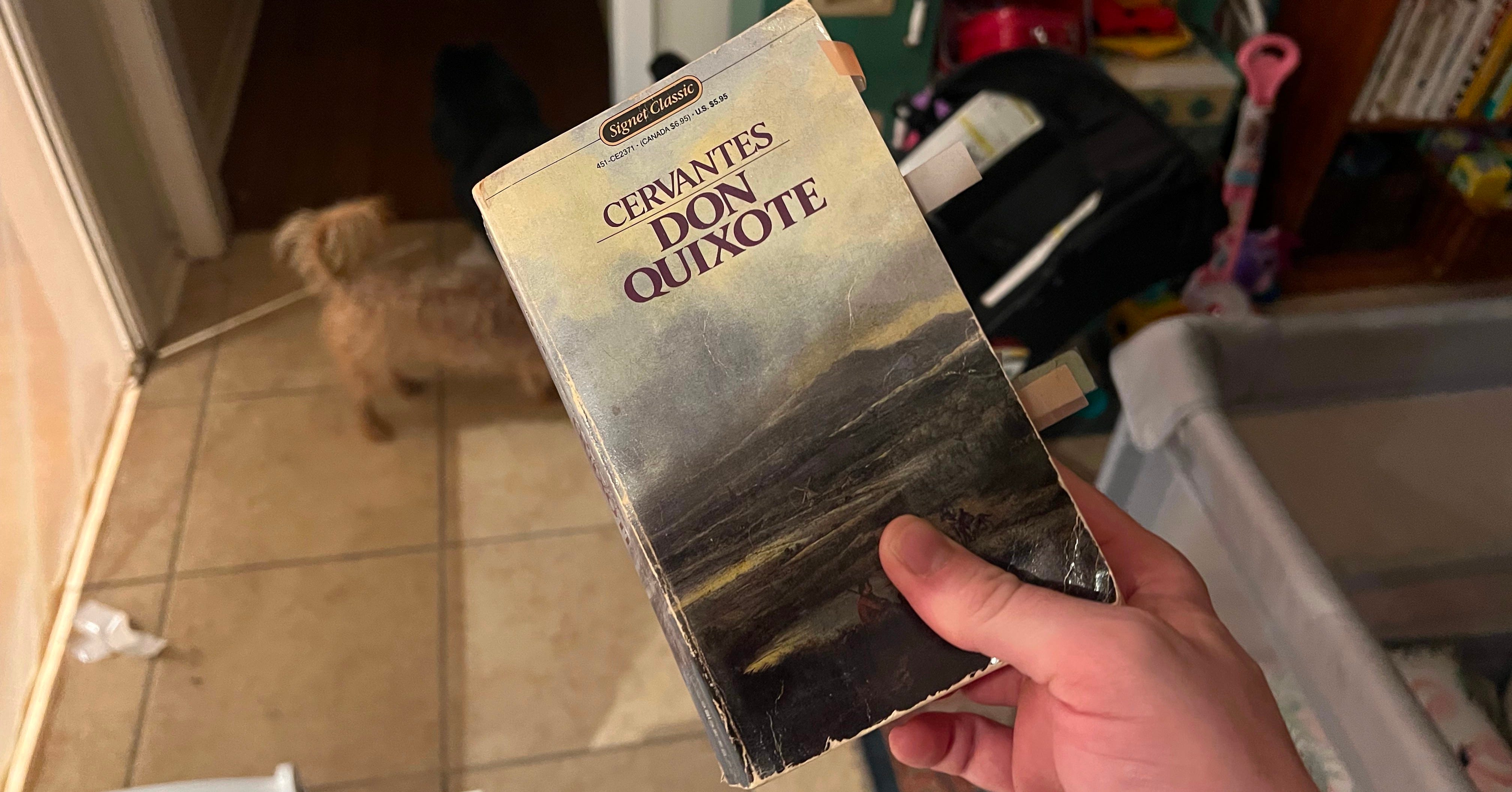
It feels funny to publish something like this before I’ve started, but it also felt strange to start this journey without a map. I’m not sure I’ll finish reading all of these—as doing so is likely a decade-long project—but I will definitely be reading through the books in the first checkpoint. (I've actually already started Don Quixote.) Once that’s done, I’ll revisit the list, make updates, and change my plans.
I know I already warmly asked for feedback earlier, but in the spirit of Cunningham’s Law—"the best way to get the right answer on the internet is not to ask a question; it's to post the wrong answer"—I’m going to go ahead and say this is the best comprehensive novel reading list that exists.
A good list - I think Babel could be an interesting one ( by RF Kuang) and definitely Amor Towles who I think is one of the greatest novelists alive.
Question: are these all novels you haven't yet read?
Notes:
In many cases I think you can remove duplicates of authors. In fact I'm wondering if you can't get away with reading one author only once, or IF twice they should be different influences on the novel, so at least be in different segments. For instance I don't believe you need to read two Yukio Mishima or two Camus books.
Molloy is part of "3 Novels by" that are variants of a story and an experimental generative style by Beckett, so you should read them all together. They're usually bound in one book anyway.
You do not need to read The Crying of Lot 49 unless the history of the novel must include novels that are "short stories with a goiter problem." That is Pynchon's own wording. At any rate there is nothing in that book you won't get out of V., which is also on the list.
I did not see House of Leaves here and I think that plus another one or two "ergodic novels" would be beneficial. You do have Hopscotch which counts.
Lastly; you're a madlad, my friend.